
Hydronic Heating Plumbing Services in Snellville, GA
Snellville Hydronic Heating Pros on call now in Gwinnett County
Hydronic Heating offers a specialized plumbing service that sets up and services systems using hot water circulated through pipes to radiators, baseboards, or underfloor tubing for space heating. This eco-conscious method provides even heating and improved indoor air quality, making it suitable for residential and commercial properties. Service includes boiler setup, zoning systems, and regular maintenance
We provide top-quality Plumbing services throughout Gwinnett County. Whether you need help with Hydronic Heating or other issues, our Team is ready.

Plumbing Services in Snellville, GA

Installing dishwashing machines, hot water heater (tank and tankless), garbage disposals, and washing devices.

Making sure backflow prevention devices are working properly.

Moving or updating plumbing systems.

Guaranteeing plumbing systems fulfill local policies.
Immediate reaction to prevent flooding and water damage.

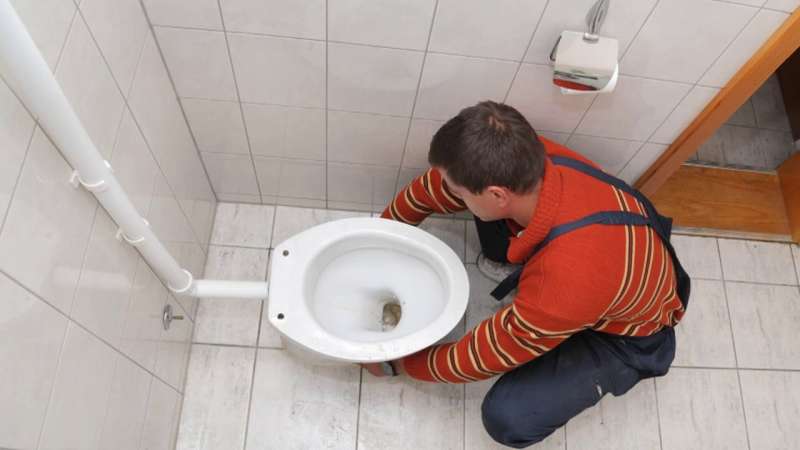
Cleaning blockages in sinks, toilets, showers, and drain lines.

Regular cleansing to prevent blockages and preserve flow.

Repairing malfunctioning faucets, toilets, and other fixtures.

Installation of sinks, faucets, toilets, bathtubs, and showers.

Emergency detection and repair work to prevent hazards.

Fixing gas leaks and guaranteeing appropriate gas line working.

Establishing systems for reusing household wastewater.

Installing and preserving glowing floor heater.

Specialized piping for factories or industrial settings.

Setting up and keeping outside irrigation.

Plumbing systems for brand-new buildings or renovations.
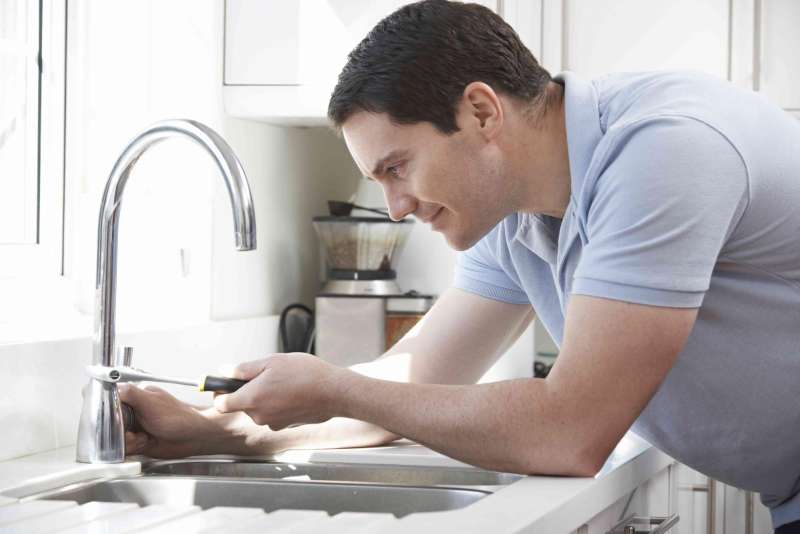
Repairing leaks in pipelines, faucets, toilets, and appliances.

Quick resolution of extreme clogs and overflows.

Using electronic cameras to examine pipelines for damage or clogs.

Repairing or changing burst, rusted, or damaged pipes.

Setting up new piping systems for water, gas, and drainage.
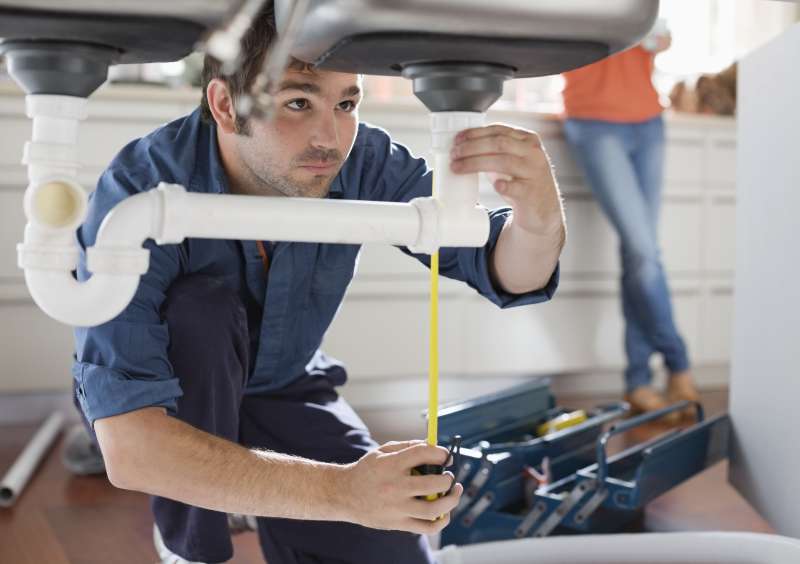
Assessing plumbing systems before buying residential or commercial property.

Setting up systems to collect and use rainwater.

Ongoing upkeep services for companies.

Putting up, repairing, and keeping septic systems.

Handling groundwater in basements.

Installing water-efficient or modern-day fixtures.

Encouraging on water-saving methods and products.

Installing water softeners and filtering systems.

Flushing and checking water heaters to lengthen lifespan.
Resolving concerns with temperature, leaks, or failure to heat water.

Securing basements or other areas from water invasion.

Immediate attention to prevent contamination and health dangers.